After a car accident, one of the first disputes is often simple but critical: what actually happened? Drivers may remember events differently, witnesses may be uncertain, and insurance companies may challenge your version of the crash. In many Arizona personal injury cases, dash cam footage can become one of the most valuable pieces of evidence available.
A dash cam video may help show how the collision occurred, who had the right of way, whether another driver was speeding or distracted, and what happened immediately after impact. While video evidence does not automatically guarantee compensation, it can make a major difference when liability is disputed. For injured drivers, passengers, cyclists, and pedestrians, strong evidence can help support a more effective personal injury claim.
If you sustained injuries in a car accident, a Tucson personal injury lawyer can review dash cam footage alongside police reports, medical records, witness statements, and other evidence to build a stronger case.
Why Dash Cam Footage Matters in a Personal Injury Claim
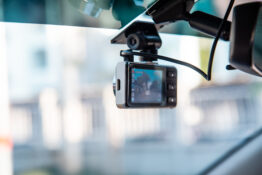
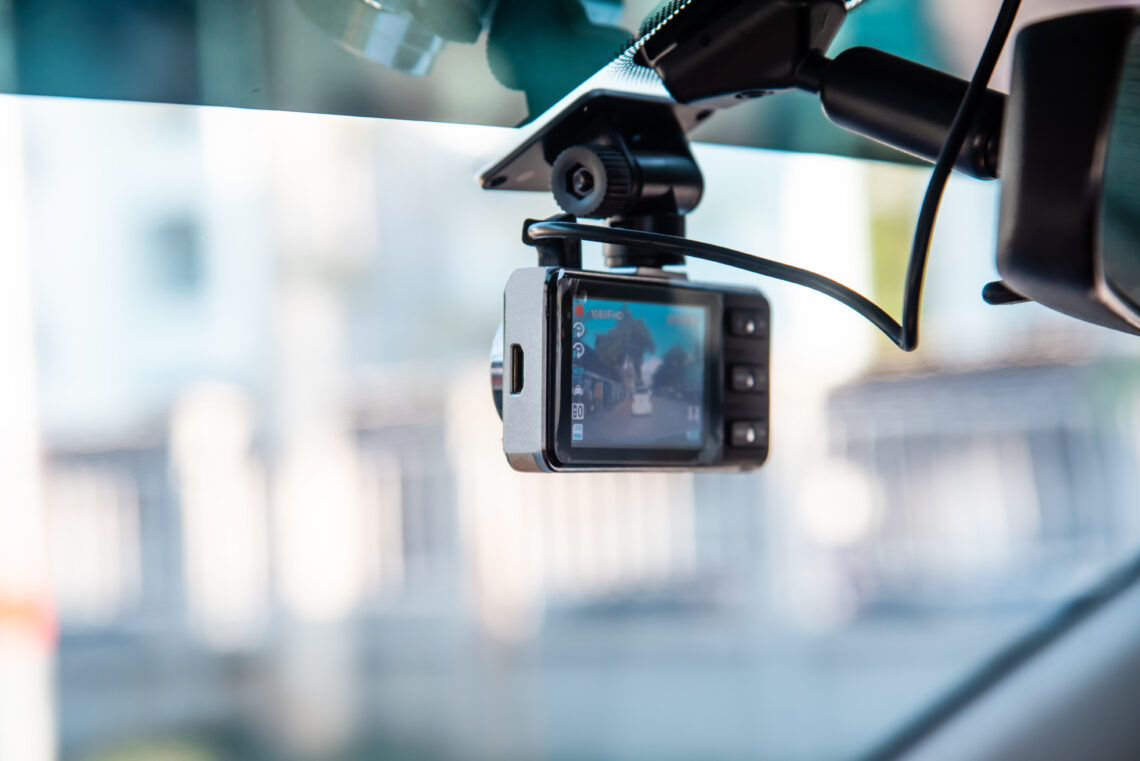
Dash cams are designed to record the road ahead, and some models also capture the interior of the vehicle or rear-facing views. In a Tucson car accident, that footage may preserve details that are otherwise lost within moments, including faded skid marks, moved vehicles, and other critical happenings.
Dash cam evidence matters because Arizona personal injury claims often depend on proving negligence. To recover compensation, an injured person generally needs to show that another party acted carelessly and caused the accident and resulting harm. Dash cam footage may help demonstrate unsafe conduct such as running a red light, failing to yield, or making an aggressive turn.
In busy Tucson traffic areas, crashes can happen quickly. A clear recording may provide an objective account of the seconds leading up to impact, which can be extremely useful when insurance carriers try to minimize or deny a claim.
How Dash Cam Video Can Help Prove Fault
In many cases, the biggest benefit of dash cam footage is its ability to help establish fault. Instead of relying only on competing statements from drivers, the video may show the sequence of events in real time.
For example, dash cam footage may reveal that another driver ran a stop sign or red light, turned left without yielding, swerved into your lane, or rear-ended your vehicle in stopped traffic. The video may also show that the driver drove while distracted, made an unsafe merge, or was speeding.
This kind of evidence can be powerful during insurance negotiations and, if necessary, in litigation. A skilled personal injury attorney can use the footage to challenge inaccurate statements, highlight violations of traffic rules, and support a demand for compensation.
Dash cam video can be especially important in intersection crashes, multi-vehicle accidents, and disputed left-turn collisions, all of which are common sources of injury claims. When a fault is contested, even a few seconds of clear footage can help shift the case in your favor.
Can Dash Cam Footage Help Prove Your Injuries?
Dash cam video usually does not prove the full extent of an injury by itself. While a camera may show the impact, it does not replace medical records, diagnostic imaging, treatment notes, or physician opinions. Even so, it can still be useful when proving injuries.
For example, video may help show:
- The severity and force of the collision
- The angle of impact
- The immediate reaction of those involved
- The condition of the vehicles after the crash
- Circumstances that make the injuries more understandable
If a defendant or insurer argues that the accident was too minor to cause serious harm, dash cam footage may help counter that argument. It can also support the overall credibility of your claim when combined with prompt medical treatment and consistent documentation of your injuries.
The Limits of Dash Cam Evidence
Although dash cam video can be valuable, it is not perfect. Some footage only captures one direction and can miss key details. Poor lighting, weather, glare, distance, or low video quality can also reduce its usefulness.
There are also cases where the footage shows only part of the story. It may capture the moment of impact without revealing what happened earlier. In some situations, the video may even show facts that the other side can use to argue shared fault.
Arizona follows a comparative fault system. That means an injured person may still recover compensation even if they were partly at fault, but the recovery can be reduced by their percentage of responsibility. It is therefore essential to carefully evaluate dash cam footage before presenting it in a claim.
With some devices automatically overwriting old footage, preservation can also be an issue. If the recording is not saved quickly, important evidence may disappear. That is one reason it is important to speak with a Tucson personal injury lawyer as soon as possible after an accident.
What You Should Do If You Have Dash Cam Footage after a Tucson Crash
If your dash cam recorded the accident, save the original file as soon as you can. Back it up in more than one secure location. Avoid editing, clipping, adding text, or altering the footage in any way. Preserve the full version whenever possible, not just the most dramatic few seconds.
You should also make note of the date, time, location, and any details about the recording device. That information may help your attorney establish authenticity and connect the video to the accident.
Avoid sharing dash cam footage online. Posting video to social media may create unnecessary complications, attract unwanted commentary, or allow insurance companies to scrutinize your case outside the proper legal process. Before sending the footage to an insurer or opposing party, consult a Tucson personal injury attorney.
What If the Dash Cam Video Came From Another Vehicle?
Another driver, a rideshare operator, a commercial truck, or even a nearby business may have captured useful footage. Your case may still benefit from such videos. The challenge is that third-party recordings may not be kept for long. A lawyer can act quickly to identify potential video sources, request preservation, and pursue evidence that may otherwise be lost.
Why Work With a Tucson Personal Injury Lawyer?
A personal injury claim is about more than showing a collision occurred. You must also connect the crash to your injuries, document your damages, and respond to insurance company tactics designed to reduce payouts.
A Tucson personal injury lawyer can evaluate whether dash cam footage supports your case, identify weaknesses the defense may try to exploit, and combine the video with medical evidence, witness accounts, accident reports, and other proof. Just as importantly, your attorney can pursue compensation for medical bills, lost income, pain and suffering, and other damages tied to the accident.
At a time when you may be dealing with injuries, appointments, and financial stress, having legal guidance can make the process more manageable and more effective.
Contact a Tucson Personal Injury Attorney
So, can a dash cam video help your personal injury case? In many situations, yes. It may help prove fault, preserve critical details, support your credibility, and strengthen negotiations with the insurance company. But it is only one part of a successful claim. If you were injured in an Arizona car accident and have dash cam footage, speaking with an attorney promptly can help protect your rights.
If you are in Tucson, AZ, talk to Mr. Barry Bellovin of The Bellovin Law Firm. He is a skilled and experienced Tucson personal injury lawyer and can help review the evidence, explain your options, and help you pursue the compensation you deserve. Contact him today to schedule a consultation.