Accidents can happen almost anywhere, but when injuries occur because a property owner failed to maintain a safe environment, Arizona law may allow the injured person to seek compensation. Premises liability is an important area of personal injury law that holds property owners, landlords, businesses, and other responsible parties accountable when unsafe conditions lead to harm.
Whether you slipped on a wet floor, tripped over a broken sidewalk, or suffered injuries due to inadequate security measures, understanding your rights is essential. If you have been injured on someone else’s property, a Tucson premises liability attorney can help you determine whether you have a valid claim and pursue compensation for your losses.
What Is Premises Liability?
Premises liability refers to the legal responsibility property owners and occupiers have to keep their premises reasonably safe for visitors. When dangerous conditions exist, and the responsible party fails to address them or provide adequate warning, they may be liable for resulting injuries.
Premises liability claims can arise in a variety of settings, including retail stores and shopping centers, restaurants and bars, apartment complexes, hotels and resorts, and office buildings. Claims can also arise due to accidents in private residences, parking lots and garages, public parks, and government-owned property.
Common Types of Premises Liability Cases in Arizona
- Slip and Fall Accidents
Slip and fall incidents are among the most common premises liability claims. These accidents often result from wet or recently mopped floors, spilled liquids, uneven flooring, loose carpeting, poor lighting, and ice or water accumulation.
Even seemingly minor falls can lead to serious injuries such as fractures, spinal injuries, traumatic brain injuries, and chronic pain.
- Trip and Fall Accidents
Trip and fall accidents frequently occur because of cracked sidewalks, broken stairs, damaged pavement, exposed electrical cords, and unmarked hazards. Property owners may be liable when they knew or should have known about these dangers and failed to correct them.
- Inadequate Security Claims
Businesses and property owners may have a duty to provide reasonable security measures when criminal activity is foreseeable. Examples include poorly lit parking lots, broken locks or security gates, a lack of security personnel, and inoperable surveillance systems.
Victims of assaults, robberies, or other crimes may have grounds for a premises liability claim if negligent security contributed to the incident.
- Swimming Pool Accidents
Swimming pools present significant safety risks, particularly for children. Property owners may be liable when they fail to provide proper fencing, self-closing gates, warning signs, and safe pool maintenance.
- Falling Objects and Structural Hazards
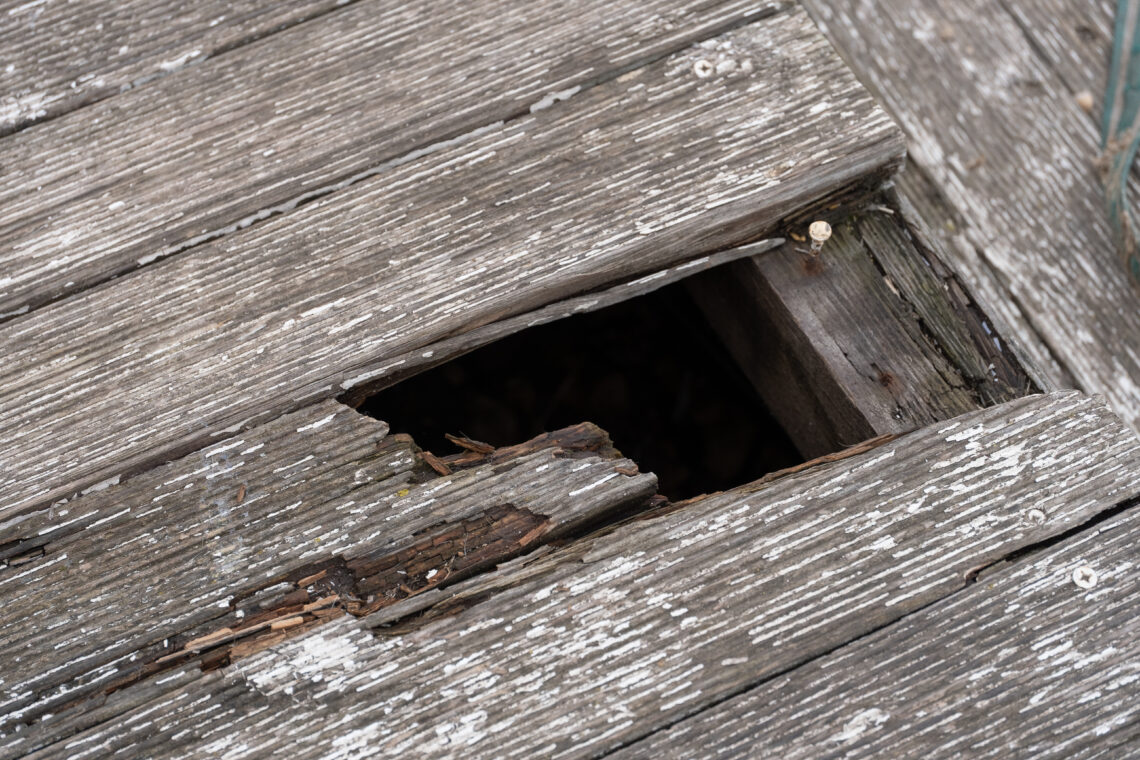
Injuries can occur when merchandise, construction materials, ceiling components, or other objects fall unexpectedly. Structural defects such as collapsing decks, railings, or staircases can also lead to serious accidents.
Who Can Be Held Liable?
Determining liability is one of the most important aspects of any premises liability case. Potentially responsible parties may include:
- Property owners
- Commercial business operators
- Landlords
- Property management companies
- Homeowners
- Government entities
- Maintenance contractors
Liability often depends on who owned, occupied, controlled, or maintained the property where the accident occurred.
Arizona’s Visitor Classification System
The duty owed by a property owner often depends on the legal status of the visitor, including whether the visitor is an invitee, licensee, or trespasser.
Invitees are individuals who enter a property for business purposes or because the property is open to the public, including customers in retail stores, restaurant patrons, and hotel guests. Property owners owe invitees the highest duty of care.
Licensees are social guests or others who enter a property with permission but not for business purposes. Property owners generally must warn licensees about known dangers that are not obvious.
Property owners typically owe limited duties to trespassers. However, exceptions may apply, especially when children are involved, like when dangerous conditions, such as swimming pools attract children who are unable to appreciate the risks.
How to Prove a Premises Liability Claim
For a successful premises liability claim, the injured individual must establish several legal elements, including:
- Duty of Care – The property owner must have owed a legal duty to the injured person.
- Breach of Duty – The injured party must show that the owner failed to maintain safe conditions, correct hazards, or provide adequate warnings.
- Causation – There must be a direct connection between the dangerous condition and the injury.
- Damages – The injured person must have suffered actual losses, such as medical expenses, lost income, or pain and suffering.
Evidence commonly used in premises liability cases includes:
- Photographs of the accident scene
- Surveillance footage
- Witness statements
- Incident reports
- Medical records
- Maintenance records
- Expert testimony
The stronger the evidence, the greater the likelihood of a successful claim.
Compensation Available in Arizona Premises Liability Cases
Victims of property-related accidents may be entitled to recover compensation for both economic and non-economic damages. You can recover medical expenses, lost income, and loss of earning capacity. You can also recover compensation for pain and suffering, and wrongful death damages.
Arizona’s Comparative Negligence Rule
Arizona follows a pure comparative negligence system. This means an injured person may still recover compensation even if they were partially responsible for the accident. However, their compensation is reduced by their percentage of fault.
For example, if a jury awards $100,000 and determines the victim was 20% responsible, the recoverable amount would be reduced to $80,000. Insurance companies frequently attempt to shift blame onto injury victims. Having legal representation can help protect your rights and ensure fault is fairly assessed.
What Should You Do After a Premises Liability Accident?
- Seek medical attention immediately.
- Report the incident to the property owner or manager.
- Take photographs of the hazardous condition.
- Collect contact information from witnesses.
- Preserve medical records and receipts.
- Avoid discussing fault with insurance representatives.
- Contact a qualified premises liability attorney.
Prompt action helps preserve evidence and strengthens your ability to pursue compensation.
How a Tucson Premises Liability Attorney Can Help
Premises liability claims can quickly become complicated. However, a Tucson premises liability attorney can help:
- Conduct a thorough investigation
- Gather critical evidence
- Identify all liable parties
- Work with medical and safety experts
- Handle insurance negotiations
- Pursue litigation when necessary
Having experienced legal representation allows you to focus on recovery while your attorney protects your interests.
Contact a Tucson Premises Liability Lawyer Today
If you were injured because of unsafe property conditions, Arizona law entitles you to compensation for medical expenses, lost income, and other damages. The sooner you seek legal guidance, the better your chances of preserving valuable evidence and building a strong claim.
If you are in Tucson, AZ, speak to Mr. Barry Bellovin of The Bellovin Law Firm. He is a skilled and experienced Tucson premises liability attorney and is committed to helping you understand your legal options and fight for the compensation you need and deserve. Contact his office today to schedule a confidential consultation and learn how he can help with your premises liability case.